
The Passenger Seat
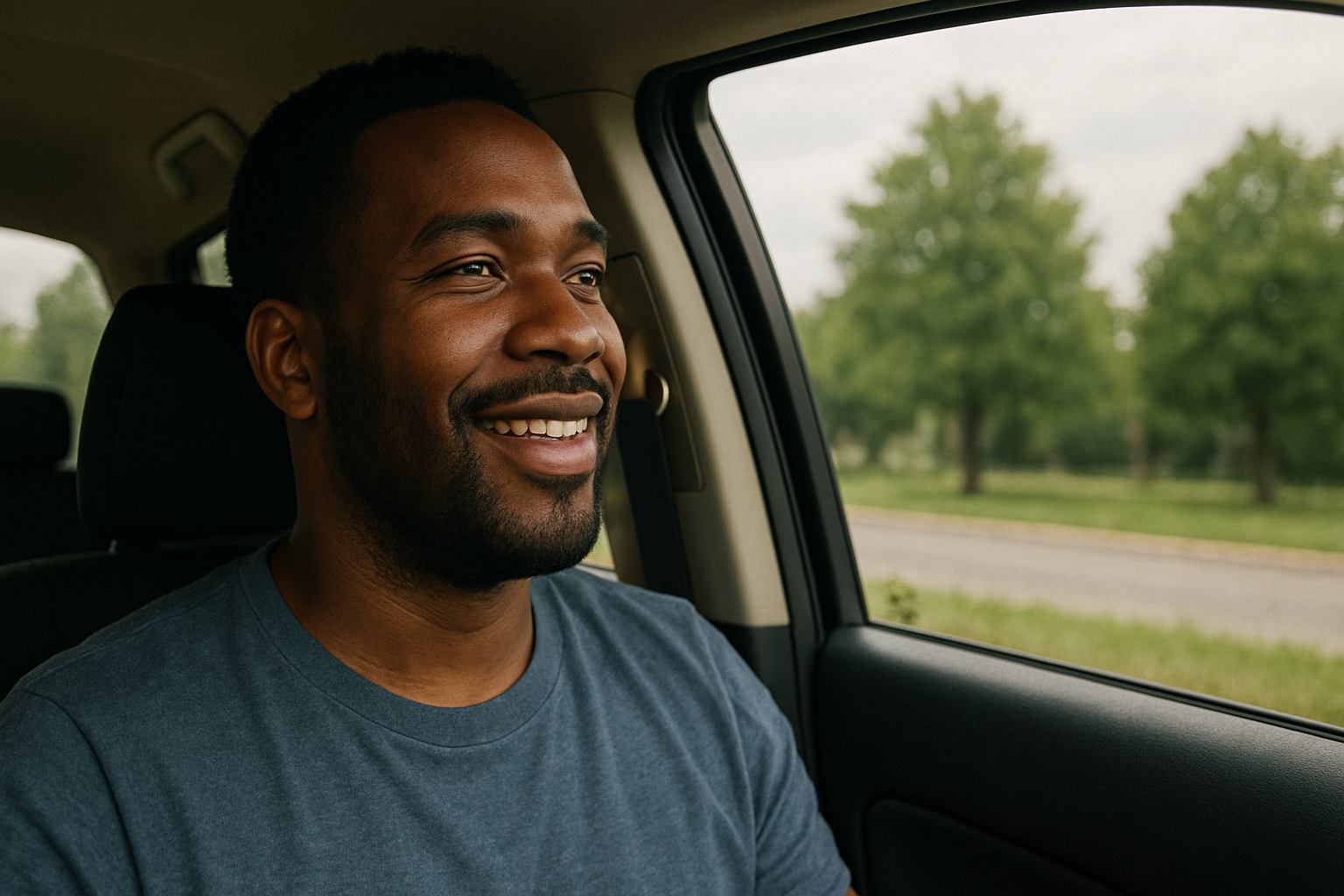
Lately, I’ve been dwelling on this idea of being in the passenger seat of life. Usually, I’m the one driving, but on a recent trip, that changed. For once, I had the space to breathe, think, and digest my surroundings. I wasn’t just rushing from Point A to Point B, I was noticing the details, developing new insights, and even planning for future trips. And while this might sound like a simple analogy, that's exactly how life feels right now. Things are finally slowing down. I’m not just flying through in survival mode—I’m actually seeing things more clearly, and the view from here has been eye opening.
When Survival Rules
As I’ve started to elevate into new spaces, attending professional events (such as conferences and keynotes), networking circles, and other spheres of influence–I’ve noticed in many communities, especially those of highly concentrated poverty, the lack of guardrails in place needed for folks to thrive.
In turn, this causes people to rush toward milestones such as graduating, moving out, getting promotions, and starting families — not because we’re ready, but because we believe speed will change our situation. We overwork just to make ends meet and end up suffering from exhaustion. We seek pleasure through relationships, substances, and other forms of escapism (as a relief from stress). In this cycle, immaturity and inexperience lead the way, bringing forth long-term consequences — whether they’re financial, relational, or worse. Proverbs 21:5: Good planning and hard work lead to prosperity, but hasty shortcuts lead to poverty.
The truth of the matter is, poverty doesn’t just affect your finances—it shapes your entire perception of decision making and time. It has the ability to accelerate traditional life processes, forcing folks to become hustlers or simply “grow up before their time.” It can also cut off educational pathways, pushing people toward quick fixes or falling victim to vicious generational cycles.
And when you grow up already believing you may not live long—whether from violence, poor health, or systemic injustice— all this planning just feels meaningless. Why plan for marriage, retirement, or building wealth if you don’t realistically expect to make it there? This inspired me to think about how many of us never get a real chance to thrive and how long survival has not only ruled my decisions but has ultimately, shaped my life.
Capacity vs. Constraint
Now that I’ve been around people from different walks of life, the contrast is clear.
For those who grew up in middle or upper-middle class homes, life has capacity. When your basic needs are consistently met, you have time and space to think things through. You can afford to make mistakes because in most cases you have a cushion to fall back on whether that be savings, family support, or a network to lean on. Poverty on the other hand creates constraint. One missed bill, emergency, layoff, or setback—and everything can change. There’s little to no margin for error and that pressure creates what I call the desperation gap.
The Desperation Gap
When you’re desperate, you don’t have the capacity to think long-term, you make decisions to survive the day.
Relationships become about security, not love or compatibility. Jobs are taken for quick money, not long-term growth. Money goes as fast as it comes—funding your escape, without any investments. Meanwhile, those with greater stability have freedom to play the “long game,” planning, pacing, and recovering from mistakes quietly. And this gap continues to shape entire life trajectories.
Exposure and Margin
Another thing I’ve noticed: stability doesn’t just mean financial security—it creates opportunity for exposure and widens margin.
Exposure is seeing how life can be paced differently. It’s being around people who model effective family planning, teach financial literacy, and showcase the power of compounded patience.
Margin is having room to fail and still move forward. It’s the savings account that covers emergencies, consistent access to childcare, the mentor who opens new doors, the resources to help you bounce back after loss.
Many of us grew up having neither; left figuring things out on the fly — hoping not to lose ground in the process.
Why This Matters
In the Black community, generational setbacks such as slavery, Jim Crow, redlining, incarceration, job discrimination, lack of access to education, and more have disrupted models of planning. Instead of building forward momentum, many of us are too busy reaching backwards: surviving unplanned realities rather than preparing for them. But as I write this, I am proud enough to say that will no longer be my story and you might be feeling similarly.
Closing Reflection
If you understand the world I am from, maybe you’ve seen these patterns playing out too. Maybe you’ve felt the weight of survival mode—the hustle and bustle, the grind, and never ending state of affairs. But at the end of the day, I am proof that generational cycles can be broken.
I may not come from wealth, but the Lord has been faithful in directing my path forward. I may not have a lot, but I have so much more to steward than before, and for that I am grateful.
So, if nothing else, I hope my life reveals the power of prayer and that even when you’re building from nothing, the Lord can use you, and promote you in ways only he can. You can create greater capacity for yourself and those to come after. You can create margin where there was none. You can gain exposure that changes your entire perspective.
Survival might have shaped our beginnings, but stewardship can alter prospects of the future. Proverbs 13:22 - A good person leaves an inheritance for their children’s children, but a sinner’s wealth is stored up for the righteous.